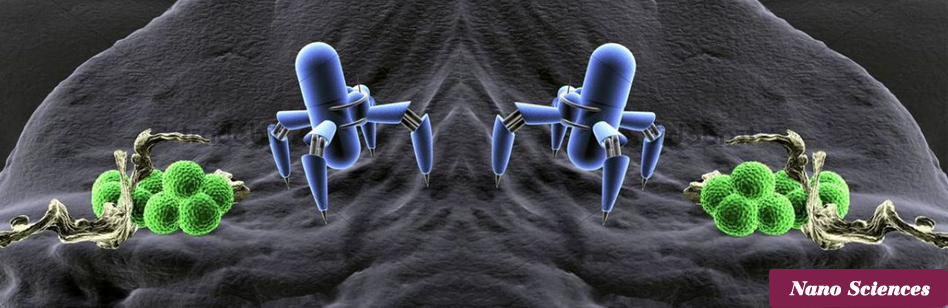
Gold nanoparticles have emerged as one of the most versatile and extensively studied nanomaterials in modern medicine and biotechnology. Their unique physicochemical properties-including localized surface plasmon resonance, high biocompatibility and ease of functionalization-have positioned gold nanoparticles at the forefront of nanomedicine. This review provides a comprehensive overview of gold nanoparticles, beginning with their synthesis through physical, chemical and green methods and the wide range of characterization techniques employed to assess their size, shape, crystallinity and surface modifications. Functionalization strategies such as PEGylation, ligand conjugation, and drug or nucleic acid attachment are highlighted as key approaches to enhance therapeutic efficacy and circulation stability. Biomedical applications span drug delivery, imaging, biosensing, photothermal and photodynamic therapies, nucleic acid delivery and antimicrobial interventions. Particular emphasis is placed on translational aspects, including toxicity profiles, biodistribution, regulatory challenges and progress toward clinical trials and commercialization. A comparative perspective against other nanocarrier systems underscores the unique advantages of gold nanoparticles in theranostics. The future directions in personalized nanomedicine, smart and stimuli-responsive gold nanoparticles and their potential integration with artificial intelligence and bioelectronics. Overall, gold nanoparticles represent a promising platform that bridges fundamental nanoscience with transformative clinical applications, though challenges in safety, scalability and regulation remain to be addressed.
Deshika Karunanithi, Pavithra Ramesh, K. Gilbert Tony, T. Arasu, Bharathi Mohan*, Kannabirran Vaikundam, Rajalingam Dhakshinamoorthy.
This review emphasizes the importance of experimental models of the Autonomic Nervous System and recording of physiological parameters in pharmacology. This studies the effect of autonomic drugs using two ex-vivo models: The Rabbit eye preparation and the guinea pig ileum preparation. These preparations allow students and researchers to study the effects of drugs on autonomic functions. In the rabbit eye, parasympathomimetic drugs induced miosis, while sympathomimetics caused mydriasis, reflecting their action on the autonomic stimulation of the pupil. In the guinea pig ileum, cholinergic agents increased smooth muscle contractions, whereas adrenergic drugs altered these responses. The models effectively exhibited the functional roles of sympathetic and parasympathetic systems and provide a robust means for evaluating autonomic drug actions1-2.
Anupriya Thomas*, P. R. Eldhomon, S. Shaliha Sherin, J. Ananya, S. Keerthana, K. P. Bijula, R. Manju.